

Date: Summer 2025 Venue: Hong Kong…
The Pomodoro Technique: Effective Time Management Strategies for UK GCSE and A-Level Exams
In the world of GCSE and A-Level exams, effective time management can make all the difference between feeling overwhelmed and staying in control. With intense revision schedules, multiple subjects, and the constant battle against procrastination, many students struggle to maintain focus and productivity. That’s where the Pomodoro Technique comes in—a simple yet powerful time management method that’s helped countless students boost their revision efficiency.
Developed in the late 1980s by Francesco Cirillo, the Pomodoro Technique (named after the tomato-shaped kitchen timer he used) breaks study time into manageable intervals. It’s particularly suited for GCSE and A-Level students preparing for exams, as it combats burnout, improves concentration, and makes long revision sessions more achievable.

What Is the Pomodoro Technique?
The core idea is straightforward: work in focused bursts followed by short breaks. Each “Pomodoro” is a 25-minute study session, followed by a 5-minute break. After completing four Pomodoros, take a longer break of 15–30 minutes.
This structure helps prevent mental fatigue, as regular breaks allow your brain to rest and process information. For UK students juggling GCSE subjects like Maths, Science, and English, or A-Level topics requiring deep analysis, Pomodoro turns daunting revision marathons into bite-sized, productive chunks.
Why the Pomodoro Technique Works for GCSE and A-Level Students?
GCSE and A-Level exams demand sustained focus over weeks or months, but endless studying often leads to diminishing returns. Here’s why Pomodoro is a game-changer:
- Boosts Focus and Reduces Procrastination: Knowing you only need to concentrate for 25 minutes makes starting easier. It trains your brain to resist distractions like social media or phone notifications.
- Prevents Burnout and Exam Stress: Short breaks recharge your mind, reducing the fatigue common during intense revision periods. Studies show structured breaks improve concentration and motivation compared to unstructured studying.
- Improves Productivity and Retention: Breaking tasks into intervals creates more “beginnings and ends” to sessions, enhancing memory retention through spaced repetition—a proven technique for exam success.
- Tailored for High-Stakes Exams: Whether revising GCSE past papers or A-Level coursework, Pomodoro helps you tackle specific tasks (e.g., “Revise Biology photosynthesis in one Pomodoro”) without feeling overwhelmed.
Many of our students report higher productivity and lower stress levels, especially when combining it with other study tips. While the Pomodoro Technique and your very own planner are excellent for independent revision, personalised guidance can take your results to the next level. Our GCSE tutorials help students build a strong foundation for further academic studies, ensuring you’re well-prepared beyond exams.
For A-Level students, our A-Level tutorials combined with expert UK University Admission support—including personalised help with personal statements and interview tips—can significantly increase your chances of getting into your dream university and subject.

How to Use the Pomodoro Technique for GCSE and A-Level Revision?
Getting started is easy—no fancy tools required, though apps like Focus Booster or a simple phone timer work great.
- Plan Your Tasks: Before starting, list specific revision goals (e.g., “Complete 10 Maths GCSE questions” or “Memorise A-Level History dates”).
- Set the Timer for 25 Minutes: Focus solely on one task. No multitasking or distractions—silence your phone!
- Work Until the Timer Rings: Push through with full concentration.
- Take a 5-Minute Break: Stand up, stretch, grab water, or step away from your desk. Avoid screens to truly rest your brain.
- Repeat: After four Pomodoros, take a longer 15–30 minute break for a walk or snack.
- Track Your Progress: Mark each completed Pomodoro with a tick. This builds a sense of accomplishment.

Pro Tips for our students:
- Adjust intervals if needed: Try 20 minutes for tougher subjects or 40 minutes if you’re in the flow.
- Use breaks wisely: Light exercise or deep breathing can combat exam stress.
- Combine with exam boards’ resources: Dedicate Pomodoros to OCR, AQA, or Edexcel past papers.
- Experiment during mock exams to find your ideal rhythm.
Supercharge Your Pomodoro Sessions with a Free Planner
To make the Pomodoro Technique even more effective, pair it with a dedicated planner tailored for GCSE and A-Level revision. A good planner helps you track your Pomodoros, set daily goals goals, and organise subjects across your exam timetable.
Claim Your Free downloadable GCSE/A-Level Planner Today!
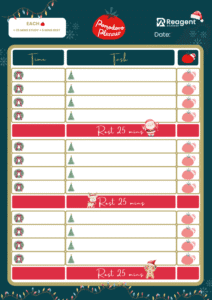
This exclusive resource is designed specifically for UK students to maximise productivity and stay on top of revision.
If you’re up for competing with A Level students from around the world, try our online Pomodoro planner – it features a global leaderboard!
The Pomodoro Technique isn’t just a study hack—it’s a proven strategy for effective time management during UK GCSE and A-Level preparation.
At Reagent Academy UK, we’ve seen students transform their GCSE and A-Level results by adopting Pomodoro alongside our personalised tutoring and tools like our free planner or other time management apps available. It promotes sustainable studying, helping you avoid last-minute cramming. By working smarter with focused intervals and restorative breaks, you’ll enhance productivity, reduce stress, and retain more information for exam day.
Ready to try it? Start with one Pomodoro today, grab your free planner, and build from there. If you’re seeking extra support for GCSE or A-Level revision, contact our professional team for a free consultation personalised to help you succeed.
You may be interested in…


2025 | Featured Speaker at IDP GO Overseas Education Fair 【Expert Insights on Preparing for Medical School】
Date: July 2025 Venue: The 7th & 8th Floors, Cordis Hotel, Hong Kong…

2025 | School Visits: Meeting our students at Roedean, Brighton College & Bede’s School
Date: March 2025 Venue: Roedean School, Brighton College & Bede’s School…


2025 | School Visit: Culford School
Date: March 2025 Venue: Culford School…